Your smartphone can store a million books, but it will inevitably vibrate with a notification halfway through a chapter. E-readers survive precisely because they are single-tasking sanctuaries. But the modern e-reader market has quietly evolved from a hardware race into an ecosystem war. Today, you aren't just buying a screen; you’re picking a side.
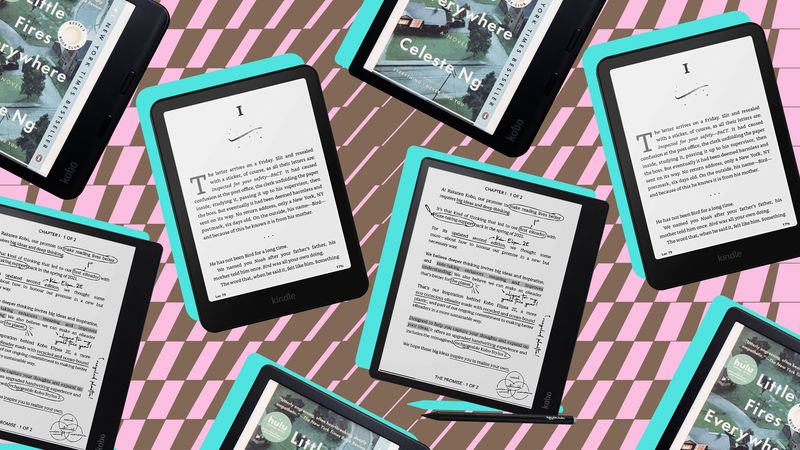
Amazon’s strategy is a finely tuned Trojan horse. The 2024 Kindle Paperwhite remains the undeniable baseline for mainstream reading. The hardware is superb—a waterproof, 7-inch 300ppi screen with adjustable warm lighting and snappy page turns. Yet, Amazon heavily subsidizes this hardware to trap you in its proprietary ecosystem. It’s a seamless paradise if you rely entirely on Prime Reading or Amazon's store. But if you source open-standard EPUB files or shop at indie bookstores, you are forced to jump through file-conversion hoops. Even the $110 base Kindle, the best budget entry point, serves as a gateway drug, serving lock-screen ads unless you pay a ransom to remove them.
For the conscientious objector, Rakuten’s Kobo lineup is the premier escape hatch. The Kobo Libra Colour is currently the smartest alternative on the market. By integrating E Ink’s Kaleido technology, it brings covers, graphics, and highlights to life in soft, analog hues. Crucially, Kobo respects user autonomy. It natively supports EPUBs, retains physical page-turn buttons, and builds a frictionless bridge to local library borrowing via OverDrive. It costs more upfront than a standard Kindle, but you stop paying with your digital freedom.
The battle for dominance has also pushed into productivity. If you want to write, the 10.3-inch Kobo Elipsa 2E vastly outmaneuvers Amazon’s premium Kindle Scribe. Amazon restricts annotations to clunky digital sticky notes that disrupt formatting. Kobo lets you write directly in the margins, seamlessly converting script to text. It understands that digital note-taking should mimic a notebook, not a spreadsheet.
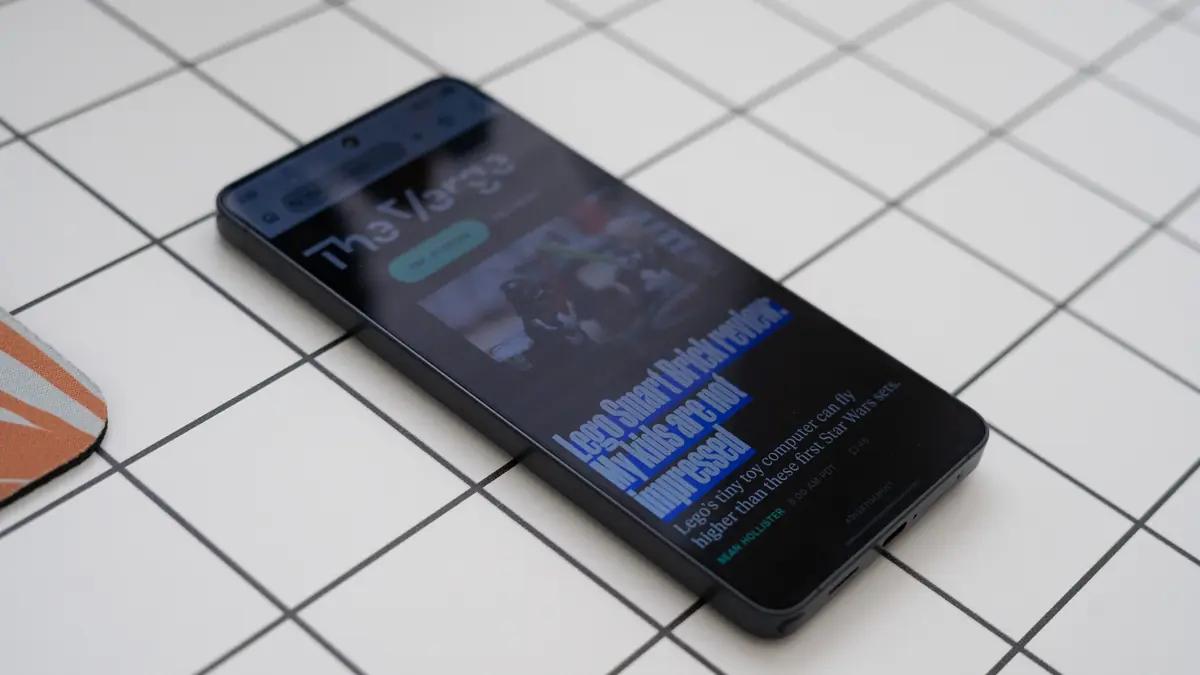
Meanwhile, the fringe of the market is chasing extreme versatility. Brands like Onyx Boox are flooding the zone with Android-based e-ink tablets like the pocket-sized Palma 2 and the Go 10.3. These devices grant access to the Google Play Store, meaning you can run the Kindle, Kobo, and Barnes & Noble apps simultaneously.
But this approach fundamentally misunderstands why e-readers exist. Bringing a full Android operating system to an e-ink screen introduces the exact distractions—email, messaging apps, browser tabs—that readers are actively trying to escape. It’s a technological feat that actively degrades the reading experience.
When buying an e-reader today, you have to look past bezel size and battery life. Decide who you want managing your digital bookshelf. Amazon delivers frictionless, subsidized consumption. Kobo offers open-standard autonomy. Choose your sanctuary wisely.