
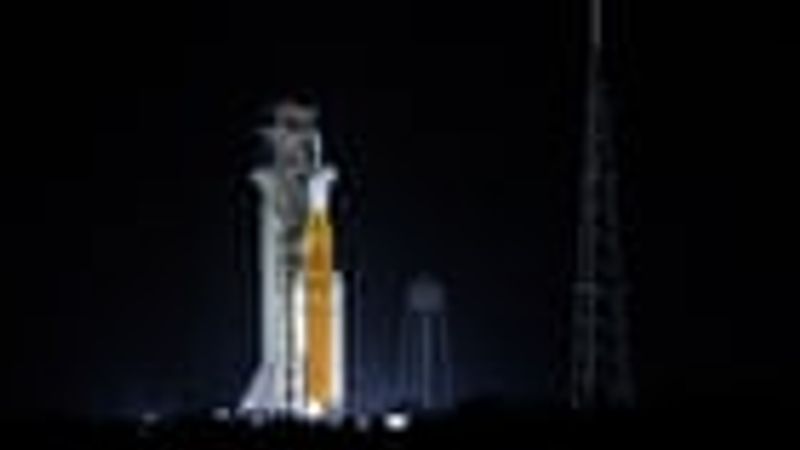
The whiplash is palpable. On Friday, the space community was circling March 6th on its calendars for the crewed Artemis II mission. By Saturday, NASA's language shifted to the logistical nightmare of wheeling the 322-foot Space Launch System (SLS) rocket and its Orion capsule back to the cavernous Vehicle Assembly Building (VAB) at Kennedy Space Center.
COMMENTARY: The culprit is an "interrupted flow of helium," a phrase that dramatically understates the gravity of the problem. Helium isn't fuel; it's the invisible workhorse of rocket plumbing. This inert gas is critical for purging engine lines of hazardous contaminants and, most importantly, for pressurizing the colossal fuel tanks as they empty during ascent. Without a perfect, uninterrupted flow, the structural integrity of the rocket is compromised. This isn't a software patch; it's a fundamental system failure that cannot be ignored.
A "rollback" to the VAB is NASA's nuclear option for on-the-ground repairs. It is a tacit admission that the problem is far too complex or physically inaccessible to be fixed on the launchpad. This is not a simple tune-up; it is major surgery. The process itself is a slow, multi-day ballet of machinery and manpower that consumes immense resources and, crucially, erases weeks from the schedule.
This incident is a harsh echo of the persistent hydrogen leaks that plagued the uncrewed Artemis I mission, serving as a potent reminder that the SLS is far from a routine vehicle. Every component, down to the last valve and seal, must perform flawlessly under extreme stress. The "tyranny of the launch checklist" is absolute, and this helium issue proves that even the most mundane-sounding systems can hold a multi-billion dollar national priority hostage.
For the four astronauts slated to fly on Artemis II, this is another lesson in the unforgiving patience required for spaceflight. The March 6th target is now effectively gone. A full rollback and repair could add weeks, if not months, to the timeline, creating a cascading effect on the entire Artemis program, including the ambitious goal of landing humans back on the Moon. This isn't just a technical problem; it's a recalibration of a generation's lunar aspirations against the cold, hard realities of rocket science.