
A UN-mandated fact-finding mission has moved beyond allegations of atrocities, using the starkest terms possible. Investigators found that the siege and ultimate capture of the North Darfur capital involved the deliberate infliction of "conditions of life calculated to bring about... physical destruction." This language is not accidental; it's a direct echo of the 1948 Genocide Convention, signaling that the RSF's actions meet a critical threshold for the world's most heinous crime.
GokaNews Analysis: This is a terrifyingly familiar playbook. The RSF, the direct successor to the infamous Janjaweed militias, is deploying the same tactics of ethnic cleansing that scorched Darfur two decades ago. The assault on El Fasher was not an isolated event but the grim culmination of a strategy honed over years of impunity. The faces and names may have changed, but the objective—to eliminate specific ethnic groups from the landscape—remains brutally consistent.
The UN's finding is as much an indictment of international apathy as it is of the RSF's barbarism. For years, global powers have watched the RSF consolidate power, armed and funded by regional actors, while offering little more than tepid condemnations. The failure to hold the perpetrators of the first Darfur genocide accountable created the very conditions for this sequel. This report serves as a stark reminder that impunity is not just a failure of justice; it is a direct catalyst for future violence.
So, what changes now? This report provides the legal and moral ammunition for a much stronger international response. It moves the conversation from vague "war crimes" to the specific, legally-defined charge of genocide. This should trigger urgent discussions around targeted sanctions against RSF leadership and their external backers, a comprehensive arms embargo, and renewed referrals to the International Criminal Court (ICC). The question is no longer whether a line has been crossed, but whether the world has the will to act on it.
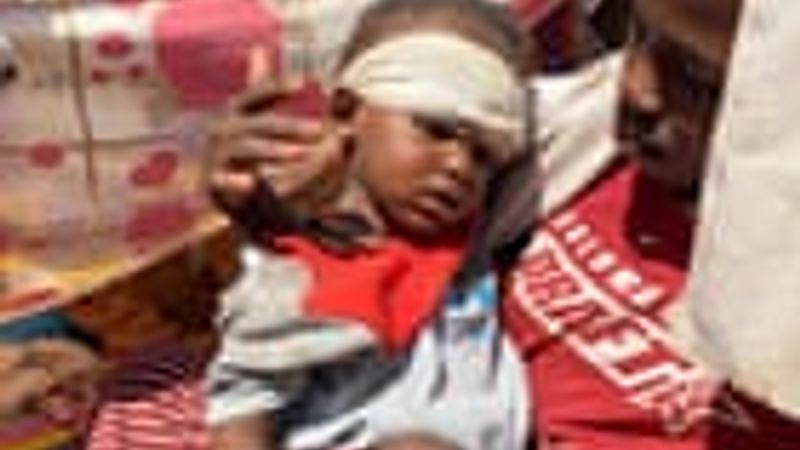
Behind the legal terminology lies a landscape of unimaginable suffering. The report details a methodical campaign that went far beyond conventional warfare. It documents the systematic denial of food and medicine, the razing of entire neighborhoods, and the targeted killing of civilians based on their ethnicity. The goal was not just to capture a city, but to erase its people. This UN finding gives a name to their suffering, but justice remains a distant prospect.