
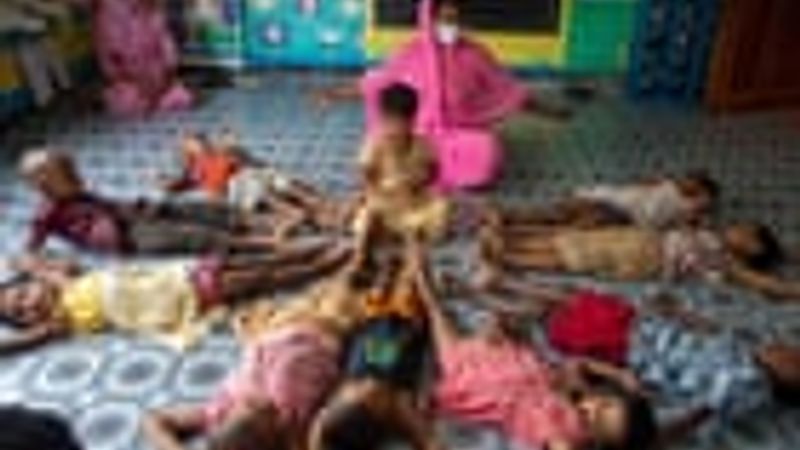
In a move that is less about paperwork and more about acknowledging reality, 400 children born into Bangladesh's largest brothel have been issued birth certificates. This document, the foundational tool of modern citizenship, has been systematically denied to them since birth.
The barrier was as simple as it was absolute: a bureaucratic requirement for a father's name. In the context of the Daulatdia brothel village, where parentage is often unknown or unrecorded, this rule was not a formality but a wall. It created a ghost population, trapped in a cycle of marginalization, unable to prove their own existence to the very institutions meant to serve them.
GokaNews Analysis: This is not merely a story of humanitarian progress; it is a story about the power and fallibility of systems. The birth certificate is the primary key that unlocks the state. Without it, a person cannot access education, healthcare, legal protection, or political participation. By denying this key, the system effectively sentenced these children to inherit their mothers' profession and precarious social standing. This breakthrough isn't just a gift of rights; it's the dismantling of a structural barrier that perpetuated exploitation.
The long campaign that forced this change highlights a critical tension in governance: the clash between rigid bureaucratic logic and the complex, often messy, reality of human lives. The state was forced to confront a population it had found convenient to ignore. The victory here is the precedent it sets—that the right to an identity cannot be contingent on a social structure that fits neatly on a government form.
Yet, the certificate is only the first step. While it grants legal access, it does not erase social stigma. The next battle for these 400 new citizens will be fought in classrooms and communities, where their origins will undoubtedly present new hurdles. This piece of paper is not a conclusion; it is the starting weapon for a fight for acceptance that has just begun.