
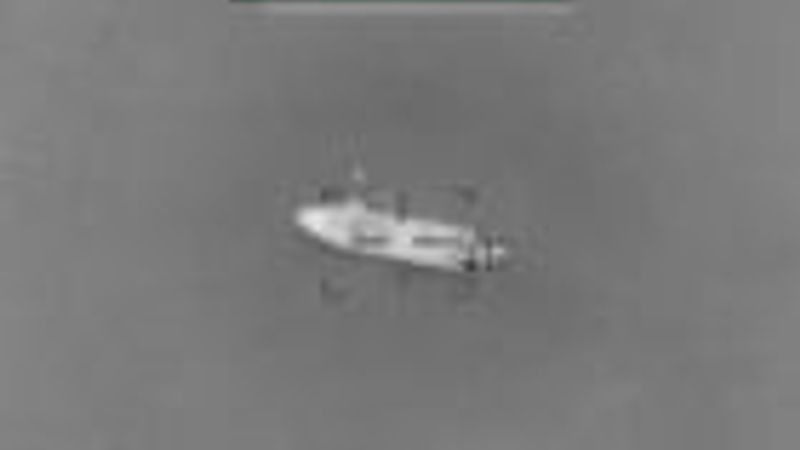
US military forces confirmed strikes on three separate vessels in the Eastern Pacific and Caribbean on Monday, targeting what officials labeled drug-smuggling go-fast boats. The operations represent the deadliest single day of a campaign that has quietly, but violently, transformed key shipping lanes into active combat zones.
COMMENTARY: The key to unlocking this strategy lies in a single, politically potent term: 'narco-terrorist.' By rebranding smugglers, the administration performs a crucial sleight of hand. It bypasses the complex, often cumbersome protocols of international law enforcement and swaps them for the decisive and lethal rules of military engagement. This semantic shift is the entire justification, providing the legal and moral cover needed to transform a policing action into open warfare.
Monday's deaths bring the total to a staggering 145 fatalities across 42 known strikes since September. To put that in perspective, this is a body count more akin to a low-intensity conflict than a counternarcotics effort. For years, the US Coast Guard's mission was interdiction—seizing drugs and detaining suspects. The new math from the Pentagon, however, suggests a different objective. It raises the critical question: is the goal to disrupt supply chains, or simply to rack up kills against low-level, expendable couriers?
This aggressive posture marks a profound strategic pivot, shifting the US from a partner in regional security to a unilateral combatant. These strikes, often conducted in international waters close to sovereign territories, risk inflaming diplomatic tensions with Latin American nations who may see them as an infringement. It also fundamentally alters the role of the US military, tasking it with a mission that blurs the lines between defense and extrajudicial killing, all without a formal declaration of war.
The waters of the Caribbean and Pacific are now a frontline in a war defined not by Congress, but by presidential decree. With each new strike, the distinction between a crime-fighting operation and summary execution dissolves further. Washington is pursuing a high-lethality strategy with an opaque endgame, pushing American policy into uncharted and perilous territory.