
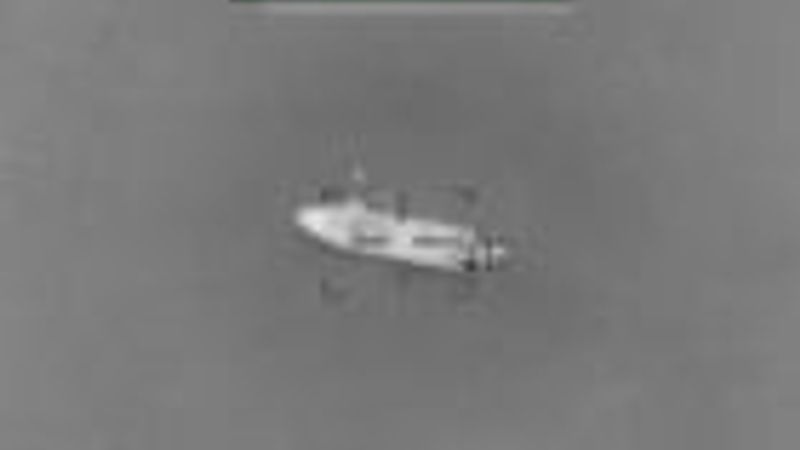
Monday's operations involved coordinated assaults on three separate go-fast boats, the workhorses of maritime smuggling. But these were not classic interdictions ending in arrests and seized cargo. They were kinetic strikes, designed for destruction. This single day's action brings the campaign’s death toll to a staggering 145 since the Trump administration authorized this aggressive new posture last September.
GokaNews Analysis: The strategic pivot hinges on a single, potent phrase: "narco-terrorist." This designation, directly from the White House, is more than just rhetoric; it's a legal key that unlocks military force. It effectively reframes suspected smugglers from criminals entitled to due process into enemy combatants subject to the laws of armed conflict. This semantic shift has deadly consequences, swapping the rules of law enforcement for the rules of engagement, and replacing the possibility of a courtroom with the certainty of a kill chain.
Behind the rising body count—now at 145 fatalities across 42 known strikes—lies a brutal calculus of success. While the Pentagon may point to these figures as proof of operational tempo, they reveal a strategy of attrition aimed at the most expendable assets in the cartel supply chain: the boat crews. This approach raises profound questions of efficacy. Eliminating low-level couriers does little to dismantle the sophisticated financial and logistical networks that sit at the heart of the narcotics trade. It's a tactical war on symptoms, not the source.
What we are witnessing is the overt militarization of U.S. counternarcotics policy, a mission creep decades in the making. The primary role is shifting from the U.S. Coast Guard, whose mission combines law enforcement and defense, to assets under U.S. Southern Command, which are built for war. This blurring of lines carries immense risk, creating potential for diplomatic friction in contested waters and setting a global precedent for using military hardware to address what many experts argue is fundamentally a public health and economic crisis.
These strikes are not an anomaly; they are the new doctrine. The administration has determined that the human cost is an acceptable price for disrupting trafficking lanes, even if the disruption is temporary. The critical debate is no longer about whether the four-decade War on Drugs is "winnable," but what it is becoming. With each strike, it looks less like a law enforcement action and more like a permanent, low-intensity conflict fought without declaration, oversight, or a clear endgame.