
Tehran is maneuvering to seize the diplomatic high ground. Foreign Minister Javad Zarif's announcement of a forthcoming nuclear counterproposal is a classic strategic play. It aims to paint Iran as the reasonable actor, putting the onus squarely back on a White House that has shown a clear preference for coercion over conversation. By floating the prospect of a deal, Iran is testing the coherence of American foreign policy and appealing to European allies desperate to avoid another Middle East war.
COMMENTARY: This isn't just about enrichment levels or centrifuge numbers. It's about narrative control. Tehran knows that in the court of global opinion, the party seen walking away from the table often loses. The proposal itself, details of which remain scant, may be less important than the act of proposing it.
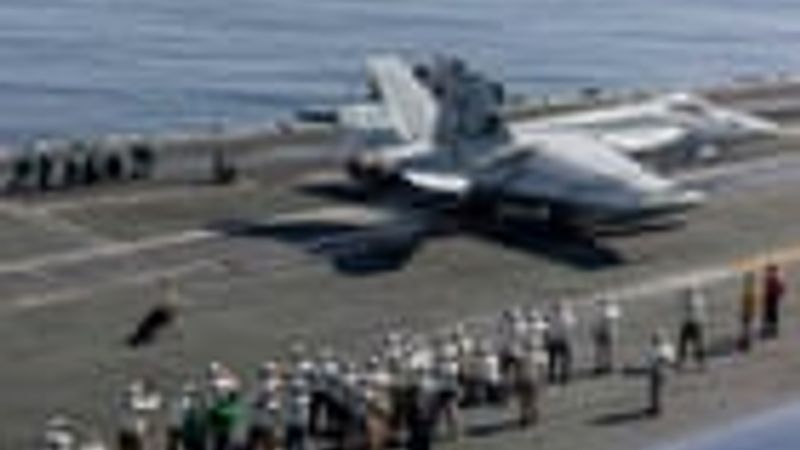
Simultaneously, the Trump administration is engaged in a massive projection of hard power. The repositioning of aircraft carriers and warships is far more than symbolic posturing; it's a logistical feat that places immense military capability on Iran's doorstep. This is President Trump's "maximum pressure" campaign made manifest, transforming diplomatic leverage into a tangible military threat.
COMMENTARY: The critical question is no longer if the U.S. can strike, but under what pretext it would. The presence of such a formidable force creates its own gravity, increasing the risk that a minor skirmish—a confrontation with Iran's Revolutionary Guard Corps Navy, for instance—could escalate into a full-blown conflict. The assets are in place; the only thing missing is a justification.
This deliberate ambiguity—talking peace while deploying for war—is the cornerstone of the administration's strategy. The White House believes keeping Tehran guessing provides the ultimate leverage. But this is a high-risk gamble. Strategic ambiguity can be easily misinterpreted as hostile intent, potentially provoking the very preemptive action from Iran or its regional proxies that the U.S. aims to deter.
What matters now are the next moves on this geopolitical chessboard. The substance of Iran's proposal will reveal whether this is a genuine off-ramp or a sophisticated delaying tactic. Even more crucial will be the rules of engagement issued to the U.S. naval commanders now patrolling the Gulf's narrow waterways. The fate of the region hangs on which channel proves more effective: the diplomatic backchannel or the military front line.