
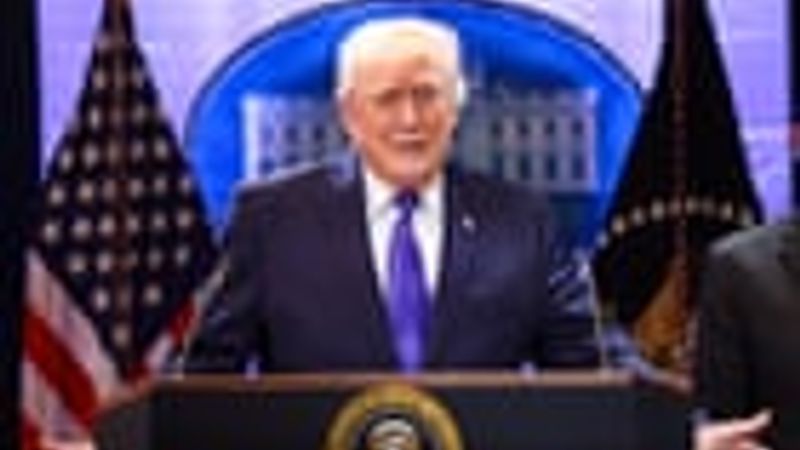
The sequence of events was swift and constitutionally brutal. Within hours of the Supreme Court striking down his previous tariff framework, the President didn't just voice his displeasure; he rendered the ruling functionally irrelevant. Branding the justices "ridiculous" and "out of touch," he announced a new, even blunter policy: a flat 10% duty on all goods entering the United States.
COMMENTARY: This is not impulsive pique; it is a calculated stress test of American institutions. Trump is transforming a legal check on his power into a populist crusade. By immediately re-imposing a similar measure, he dares the courts to engage in a protracted battle of wills, framing any future judicial intervention as an elitist attack on his mandate. The strategy is to create a perpetual conflict, forcing opponents into a draining cycle of litigation while he solidifies his image as the sole defender of the national interest against a hostile establishment.
The economic logic of this move is secondary to its political objective. A blanket 10% tariff is a sledgehammer in a world of surgical trade tools. It makes no distinction between ally and adversary, punishing German auto parts and Vietnamese textiles with the same indiscriminate force. The guaranteed results are higher consumer prices, mangled supply chains, and swift, symmetrical retaliation from trading partners. This is not trade policy; it is a tax on global integration itself.
Beyond the economic chaos lies the more fundamental crisis. The President's actions force a question about the very nature of judicial review. If an administration's response to being overruled by the nation's highest court is to simply issue a near-identical order, has the judiciary's power been effectively neutralized? This move erodes the core principle of checks and balances, suggesting that executive power can simply wait out, or steamroll, any legal obstacle.
Legal challenges to this new tariff are a certainty. The crucial theater of operations, however, has already shifted. Global capitals and corporate boardrooms must now re-price risk for a United States where presidential decree can override judicial precedent in real-time. The court has rendered its verdict; Trump has rendered his. The global economy is now the battlefield.